
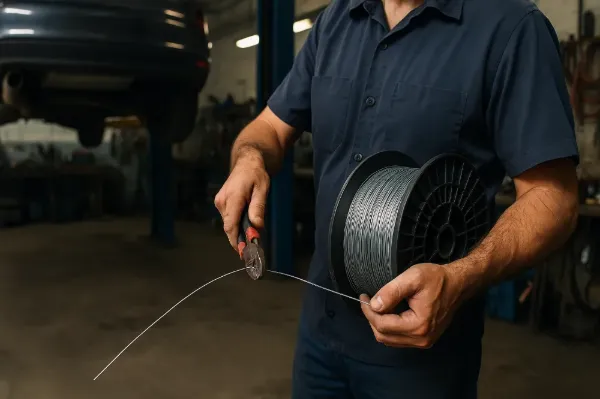
Mechanics Wire 101: Best Practices in Maintenance
Mechanics wire is one of the most versatile, problem-solving tools in any maintenance or repair environment. In this guide, you’ll learn how to use it with practical, real-world tips. Whether you’re in maintenance and repair, automotive, or general shop work, these fundamentals will help you get more out of every roll. Mechanics wire - Ram Products
An Introduction to Mechanics Wire
What Is Mechanics Wire?
Mechanics wire, also known as baling wire or utility wire, is a highly adaptable, easy-to-shape wire used for securing, bundling, fastening, and making temporary repairs. Its value lies in its simplicity: it doesn’t require specialized tools, it fits countless use cases, and it can be applied quickly in tight or awkward spaces. Because it solves so many small but urgent problems, mechanics wire becomes one of the most relied-upon materials in maintenance shops, fleet garages, and MRO environments, even though it’s often overlooked until it’s needed most.
Typical Materials and Why They Matter
- Low-Carbon Steel (Plain Steel)
This is the most common material used for mechanics wire. Low-carbon steel offers excellent pliability, allowing technicians to bend, twist, and rework the wire without it snapping. It’s ideal for general shop use, temporary fastening, bundling, and quick fixes where speed and flexibility matter more than corrosion resistance. - Galvanized Steel
Galvanized mechanics wire is coated with zinc to protect against rust and corrosion. This makes it a better choice for outdoor repairs, fleet vehicles, washdown environments, or any application exposed to moisture, road salt, or chemicals. While slightly stiffer than plain steel, it delivers longer service life in harsh conditions. - Stainless Steel
Stainless steel mechanics wire offers superior corrosion resistance and higher strength compared to carbon steel options. It’s commonly used in safety wire or lockwire applications, especially on equipment exposed to heat, vibration, or corrosive environments. Stainless wire holds tension well but requires more effort to twist, making it better suited for deliberate, high reliability fastening rather than quick temporary fixes. - Annealed Steel
Annealed wire has been heat-treated to increase softness and flexibility. This material is especially useful when frequent re-bending or tight twisting is required. Annealed mechanics wire is often chosen for delicate components or applications where ease of manipulation outweighs long-term holding strength. - Coated or Specialty Wires (Less Common)
Some mechanics wire may feature specialty coatings or finishes designed to reduce abrasion or provide limited chemical resistance. These options are typically application-specific and are used when wire contact with sensitive components or surfaces is a concern.
How Mechanics Wire Is Sold
Mechanics wire is commonly sold in rolls or spools, allowing technicians to pull off and cut only the amount they need for each job. This format keeps the wire organized, reduces waste, and makes it easy to store on shelves, carts, or in service trucks.
Common Applications in MRO, Automotive & Fleet Maintenance
Mechanics wire shows up anywhere fast and reliable stabilization is needed. Its strength and flexibility make it an ideal stand-in when you need something to stay in place long enough to apply a permanent fix.
Temporary Exhaust and Undercarriage Securing
Mechanics wire is commonly used to stabilize under-vehicle components when permanent hardware isn’t immediately available.
- Supports loose exhaust pipes, heat shields, and hanging brackets
- Keeps components from rattling, dragging, or causing further damage
- Allows vehicles to be safely moved, inspected, or staged while awaiting parts
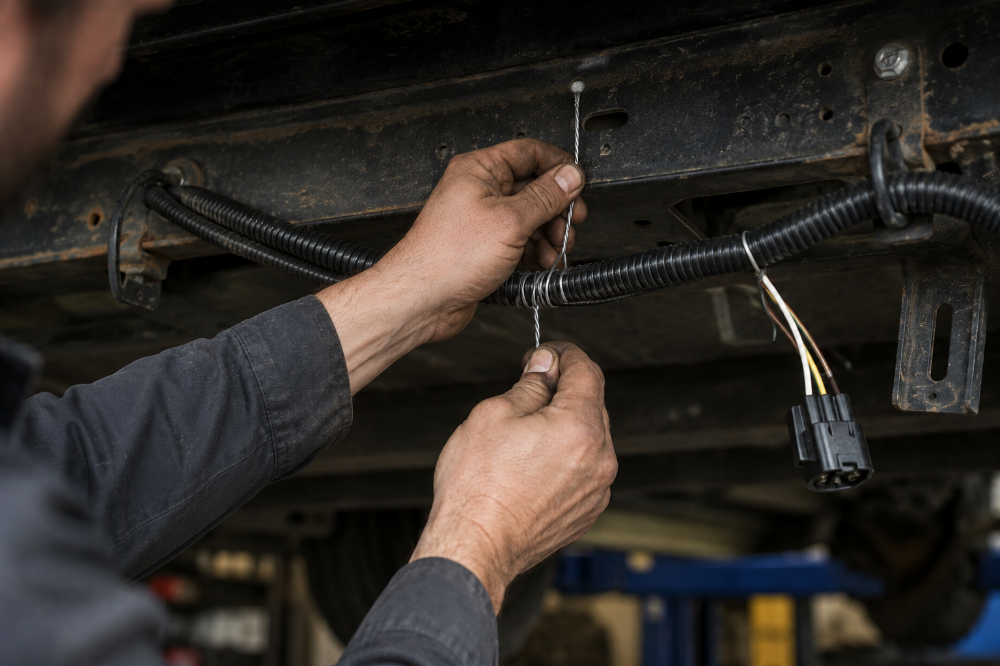
Bundling Hoses, Cables, and Wiring
When heat or vibration makes zip ties unreliable, mechanics wire provides a durable alternative for organizing lines and cables.
- Bundles coolant hoses, electrical leads, and sensor wiring
- Holds harnesses away from heat sources and moving parts
- Easily twisted and adjusted during repairs or component relocation
Replacing a Cotter Pin in a Pinch
Mechanics wire serves as a dependable temporary substitute when a cotter pin is missing or damaged.
- Secures castle nuts, hinge pins, and linkage components
- Maintains alignment and prevents loosening during operation
- Keeps jobs moving when replacement hardware isn’t immediately available
Safety Wire / Lockwire Applications
Mechanics wire is often used as lockwire to prevent fasteners from backing out under vibration.
- Locks bolts in place on vibrating, machinery and equipment
- Common on small engines, pumps, and fleet service components
- Adds a mechanical fail-safe where torque alone isn’t enough
Creating Temporary Clamps and Fasteners
For broken clamps or brackets, mechanics wire offers a quick way to pull components together.
- Creates temporary clamps for hoses, shields, or brackets
- Stabilizes components until permanent parts arrive
- Widely used in MRO settings where uptime outweighs cosmetic concerns
How to Choose the Right Wire Gauge
Selecting the correct gauge ensures your repair is secure without over-engineering the fix. Thinner wire bends easily for delicate work, while thicker gauges provide the strength needed for heavy components. The goal is simple: match the wire to the load, environment, and temperature demands.
Light Gauges (0.020"–0.032")
Light-gauge mechanics wire is best when flexibility and ease of handling matter more than maximum strength.
- Ideal for bundling electrical leads, sensor wiring, and small hoses
- Easy to twist tightly in confined or hard-to-reach areas
- Commonly used as a temporary replacement for small cotter pins
Medium Gauges (Around 0.041")
Medium-gauge wire offers a reliable balance between strength and workability for everyday maintenance tasks.
- Frequently used in safety wire and lockwire applications
- Prevents bolts and fasteners from loosening under vibration
- Serves as a dependable all-around option for industrial and mechanical equipment
Heavy Gauges (0.050"–0.062")
Heavy-gauge mechanics wire is designed for applications where holding power and durability are critical.
- Supports exhaust components, brackets, and equipment housings
- Used to create strong temporary clamps or reinforcements
- Requires more effort to shape but delivers maximum strength for fleet and automotive repairs
Gauge Selection Cheat Sheet
|
Wire Gauge (Approx.) |
Best Use Cases |
Notes |
|---|---|---|
|
0.020"–0.032" |
Bundling wires, hose organization, light fastening |
Very pliable; ideal for tight spaces. |
|
0.041" |
Safety wiring bolts, lockwiring, medium-duty fastening |
Strong balance of flexibility and holding power. |
|
0.050"–0.062" |
Exhaust support, equipment components, temporary clamps |
High-strength; best for heavy-duty stabilization. |
Why Wire Gauge Matters More Than You Think
In most shop environments, mechanics wire is chosen by feel and experience, but following these guidelines helps ensure the right level of strength without sacrificing usability. Whether you're handling steel tying wire, lockwire, or general-purpose mechanics wire, the gauge determines how secure your temporary solution will be.
|
Q: In your experience, what gauge of wire do technicians reach for most often, and what factors influence that choice in high-pressure or time-sensitive repairs? A: Usually, a thicker gauge like a 14-gauge would be a go-to. The thought behind that is more for the strength of the wire. A 14-gauge provides some confidence that the repair will hold longer. |
Techniques for Proper Use
Mechanics wire is simple, but using it correctly makes the difference between a temporary fix that holds and one that fails when the equipment moves, vibrates, or heats up. These fundamentals give techs reliable, repeatable results in real-world shop conditions.
|
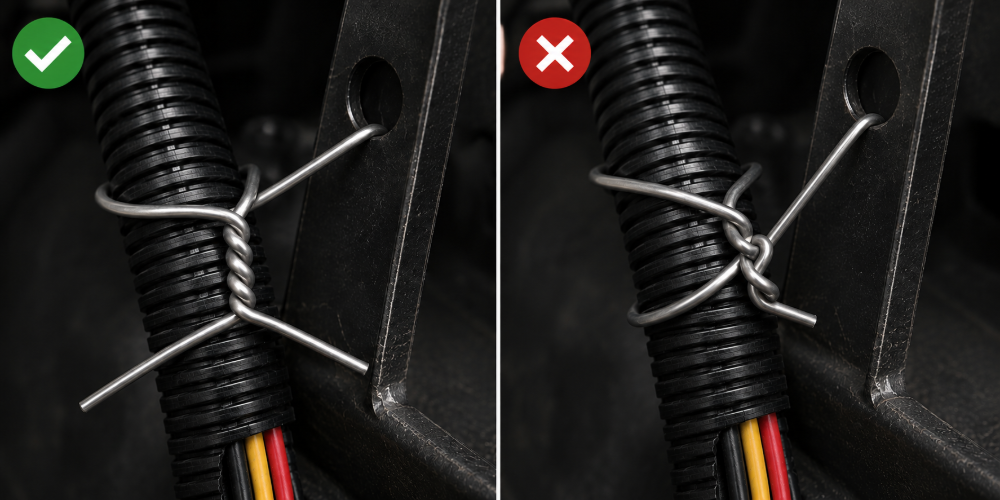
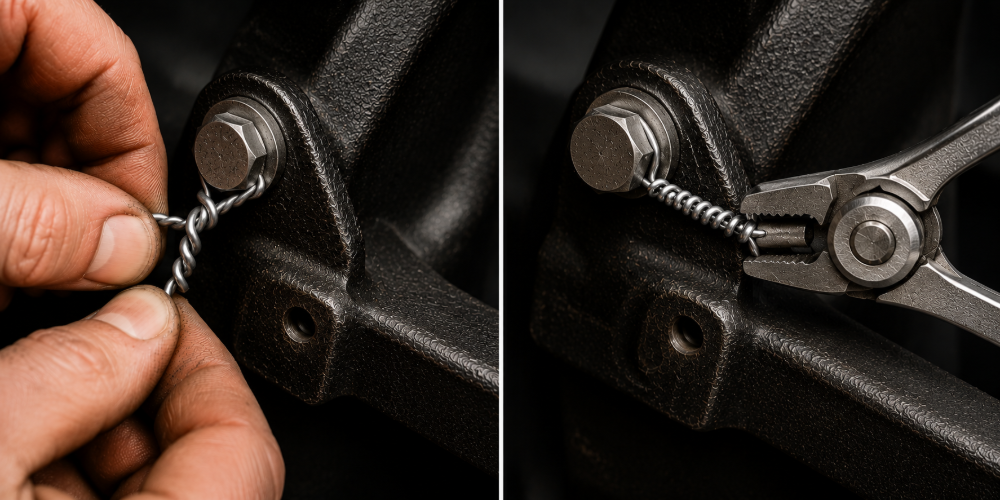
Twisting Techniques A proper twist creates strength. The goal is tight, even turns that distribute tension without over-twisting the wire. Start by looping the wire through or around the components you need to secure. Cross the ends, then twist consistently until the wire feels snug. Too few twists will loosen under vibration; too many may weaken the wire and cause breakage. |
 |
|
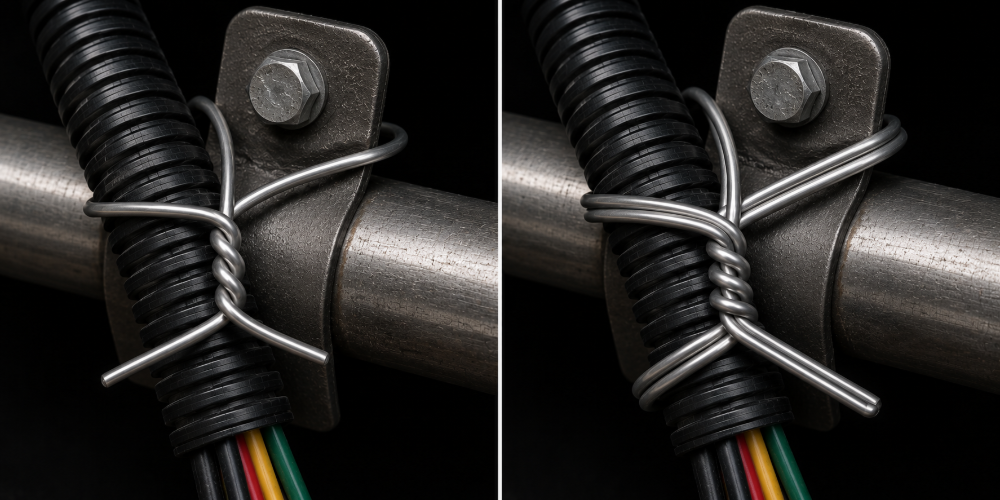
Doubling Up for Added Strength For heavy-duty tasks, doubling the wire adds significant holding power. Fold the wire to create a two-strand line, then twist the strands together before applying it to the component. This creates a stronger, more stable wrap, ideal for exhaust brackets, equipment housings, and anything exposed to road shock or vibration. |
 |
|
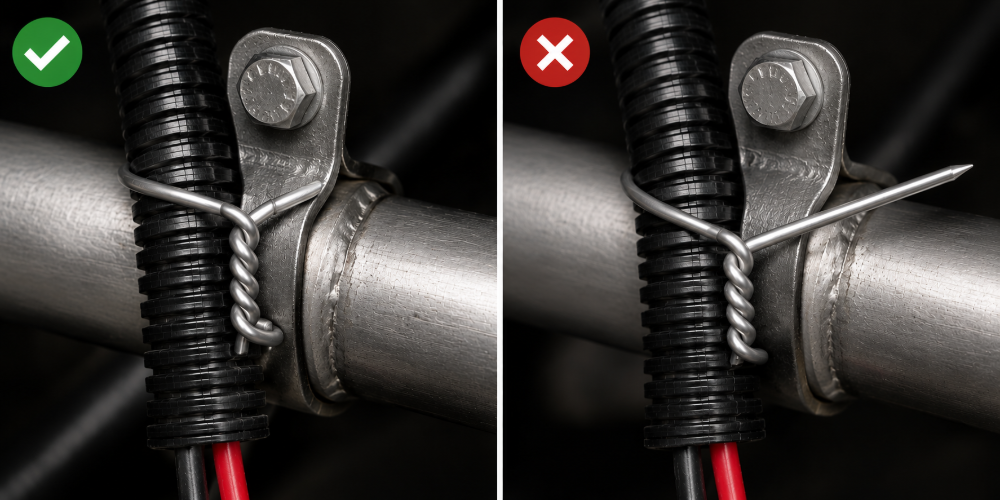
Preventing Sharp Ends and Snag Hazards Always trim excess wire cleanly and tuck the tail against the nearest surface. Leaving sharp ends exposed can cut skin, snag wiring, or damage hoses. A quick press with pliers ensures the tail sits flush and won’t catch during operation or handling. |
 |
|
When to Use Pliers or Safety-Wire Tools Hand twisting works for small jobs, but for critical or high-tension applications—such as lockwire on bolts—use pliers or a safety-wire twisting tool. These tools ensure the twists are even, tight, and controlled. They also reduce hand fatigue and increase precision, especially when working in awkward or cramped positions. |
 |
Best Practices for Mechanics Wire
Following proven best practices helps ensure your mechanics wire performs safely and reliably in real-world shop conditions. Consistent technique, proper gauge selection, and attention to detail reduce failures, prevent injuries, and extend the effectiveness of temporary repairs.
- Keep twists tight and even for consistent tension
- Use the right gauge for the job—don’t force light wire into heavy-duty service
- Secure wire tails so they don’t snag hands, cables, or clothing
- Inspect for corrosion or fatigue before reusing older wire
- Double up wire when securing components exposed to heavy vibration
Common Mistakes to Avoid
Avoiding common mistakes is just as important as following best practices when working with mechanics wire. These errors can weaken the wire, create safety hazards, or lead to failures that compromise equipment, uptime, and technician safety.
- Over-twisting, which weakens the wire structure and increases the risk of breakage
- Using light-gauge wire for high-stress applications where greater holding strength is required
- Leaving sharp ends exposed, creating cut hazards and risking damage to nearby hoses or wiring
- Relying on wire for permanent fixes instead of proper hardware, increasing the chance of long-term failure
- Skipping safety-wire tools for precision jobs like bolt locking, leading to uneven or unreliable twists
|
Q: What’s the most important habit or technique you teach new technicians to ensure their mechanics wire jobs stay secure under real-world vibration and stress? A: Secure your wire tails. It makes things look cleaner and prevents exposed wire from injuring yourself or others. |
Mechanics Wire from Ram Products
Ram Products offers dependable annealed mechanic’s wire built for consistent performance in real-world maintenance and repair work. With the flexibility and durability professionals expect from premium mechanics wire, these rolls are well suited for safety wire applications, medium-duty fastening, and vibration-prone equipment. Explore all available options here: Ram Products – Mechanic’s Wire.
Below are two popular choices that many technicians keep in their toolbox or service truck:
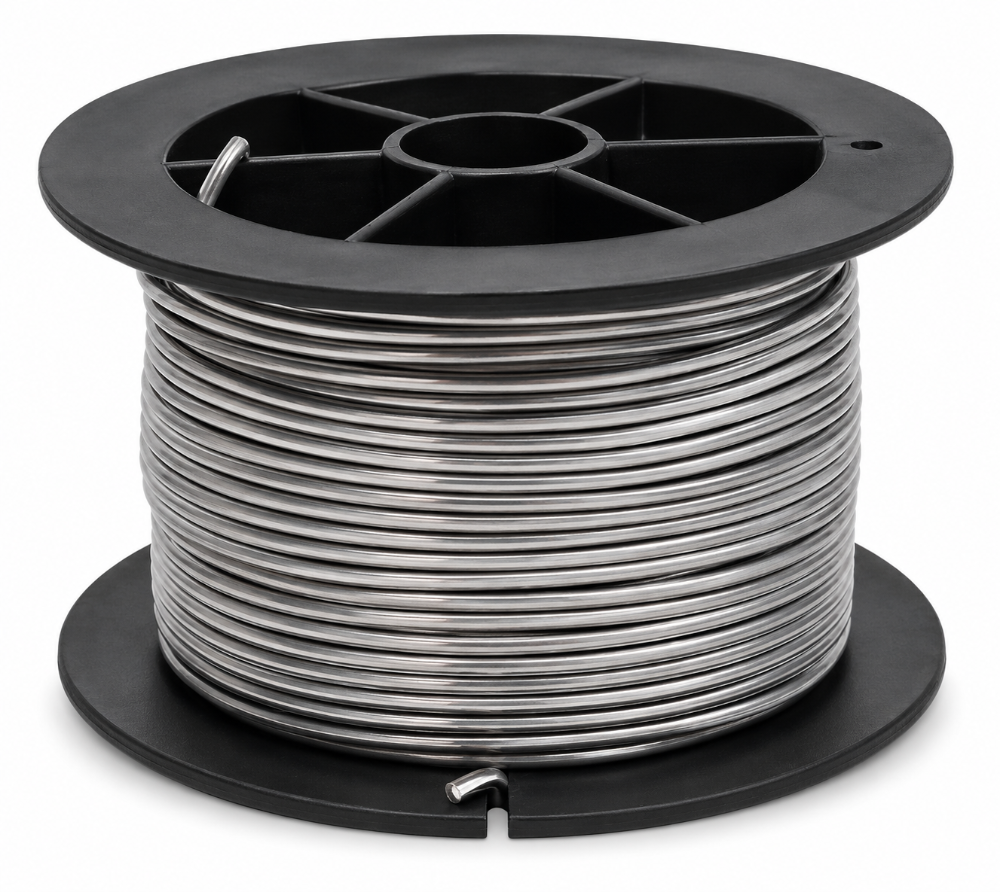
XV090145 Velvac Mechanics Wire – 14 ga. 5 lb Spool
|
 |
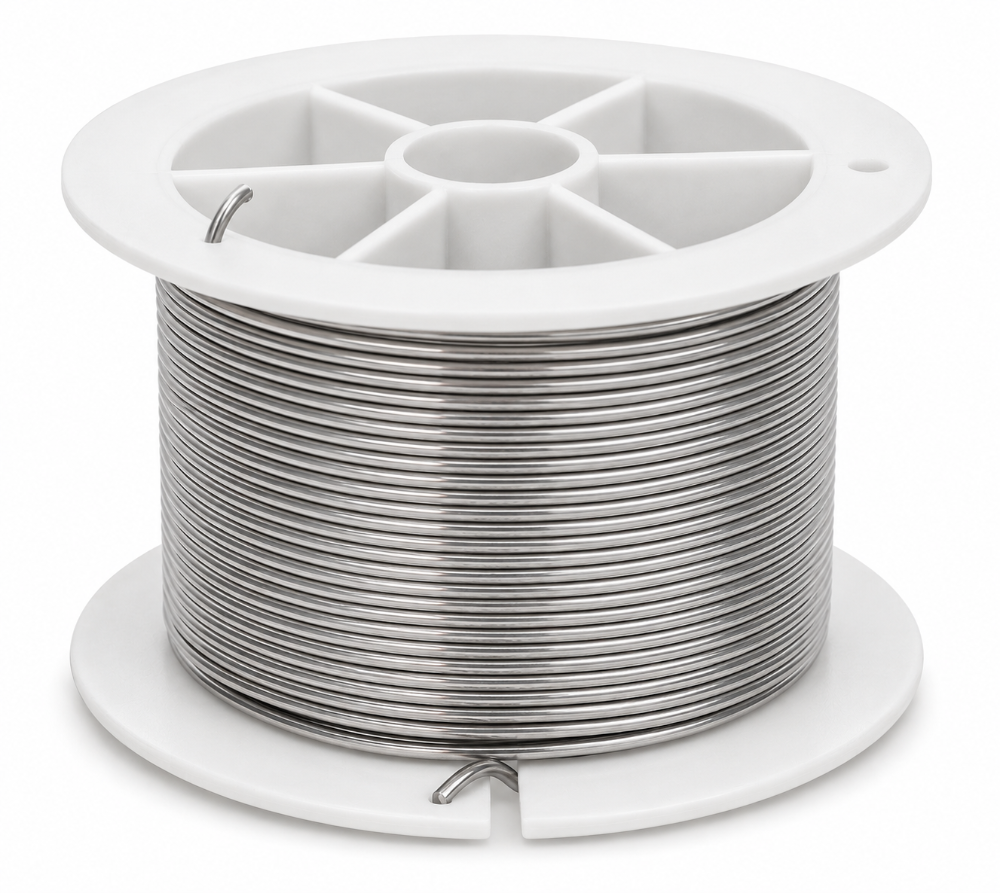
XV090165 Velvac Mechanics Wire – 16 ga. 5 lb Roll
|
 |
Mechanics Wire Summary & Practical Takeaways
Mechanics wire remains one of the most versatile and dependable tools in any maintenance or repair environment, offering fast solutions when uptime matters most. From securing components to bundling hoses or reinforcing equipment, its value comes from simplicity, strength, and real-world reliability. Keeping the right gauges on hand ensures your team can handle unexpected fixes with confidence.
Explore Ram Products’ mechanics wire options to find the spool that fits your shop’s needs.
Stock up today and make sure your technicians always have mechanics wire ready for the next job.